Reply within 24 hours · speak with an engineer
Huanghai
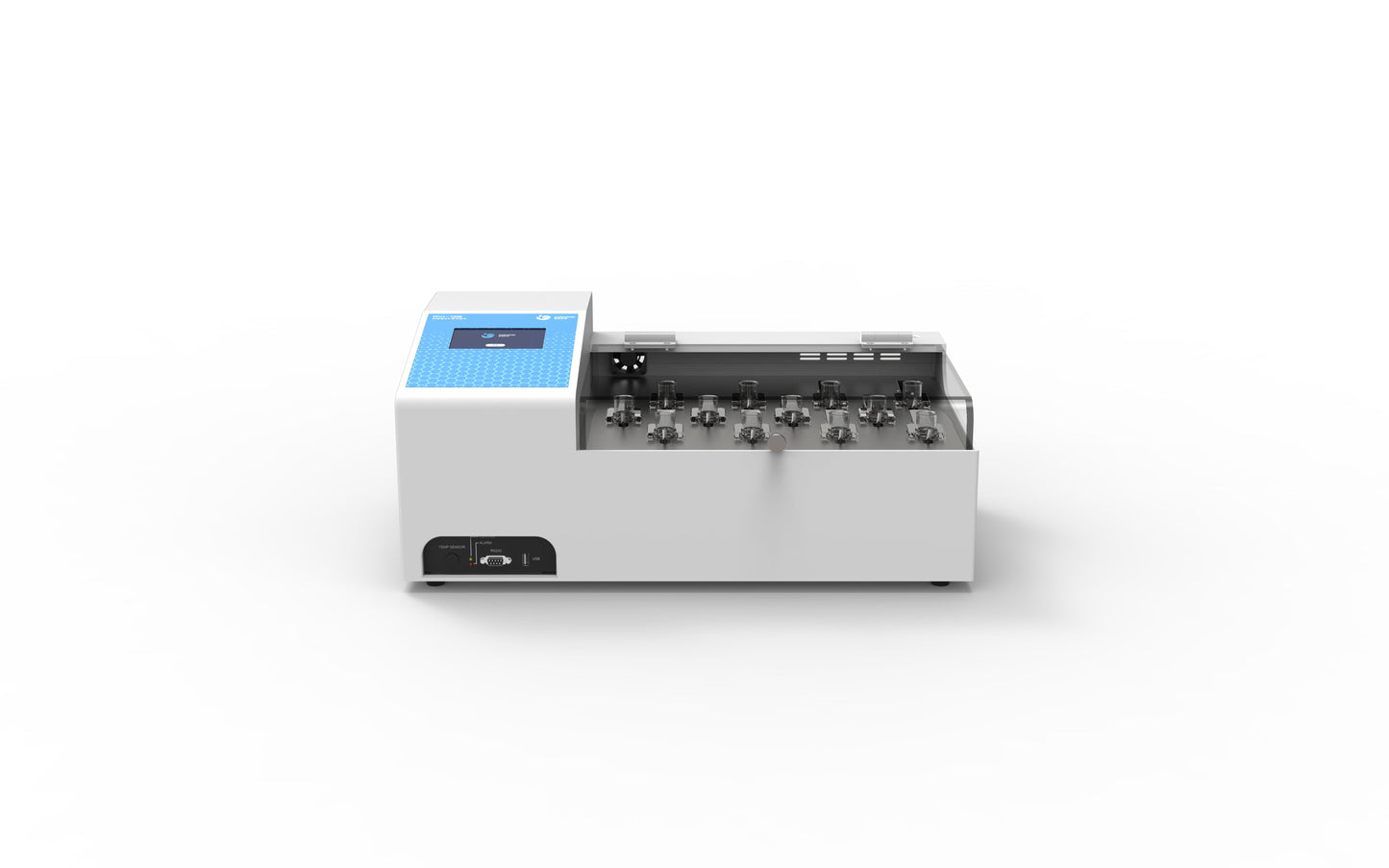
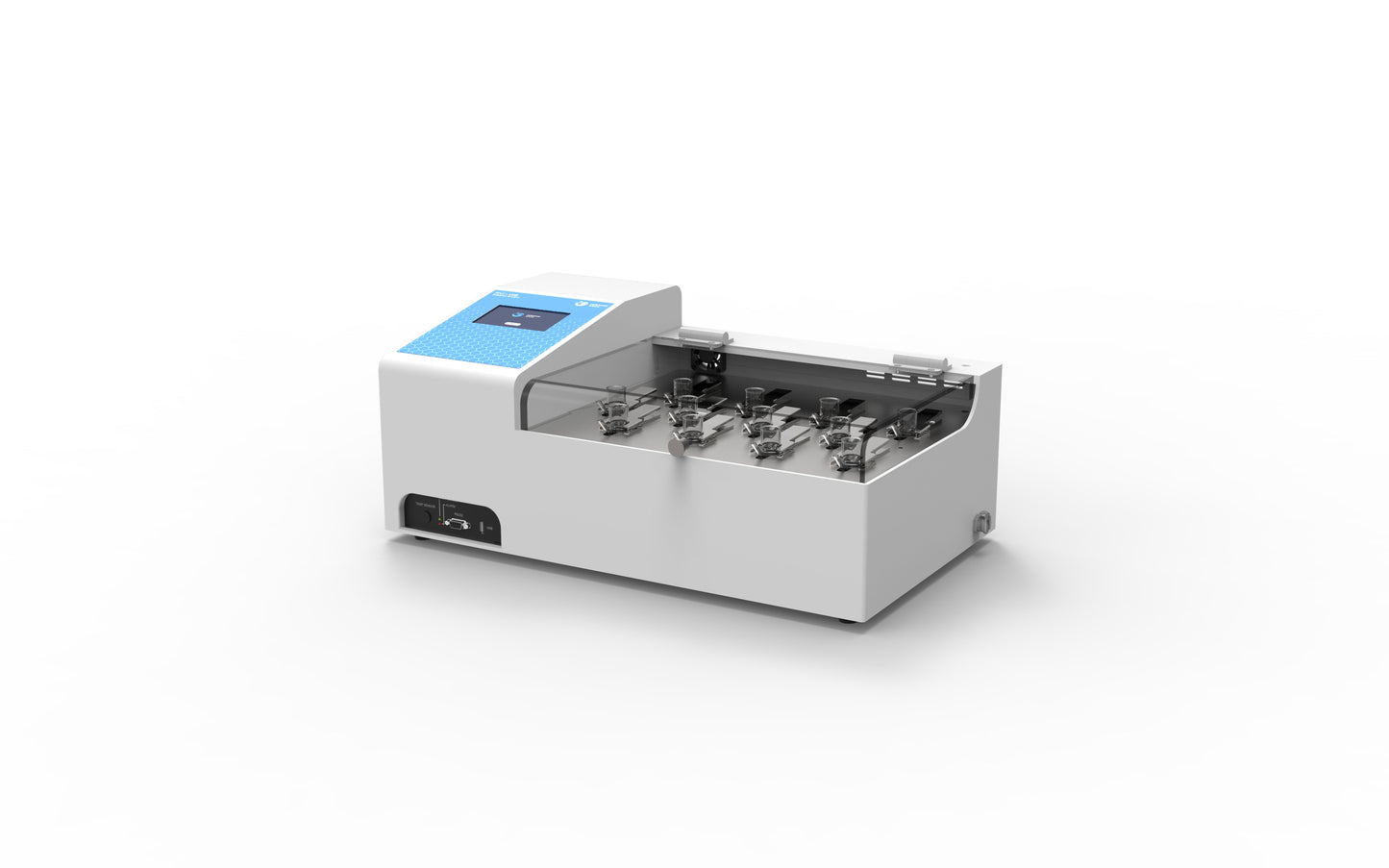
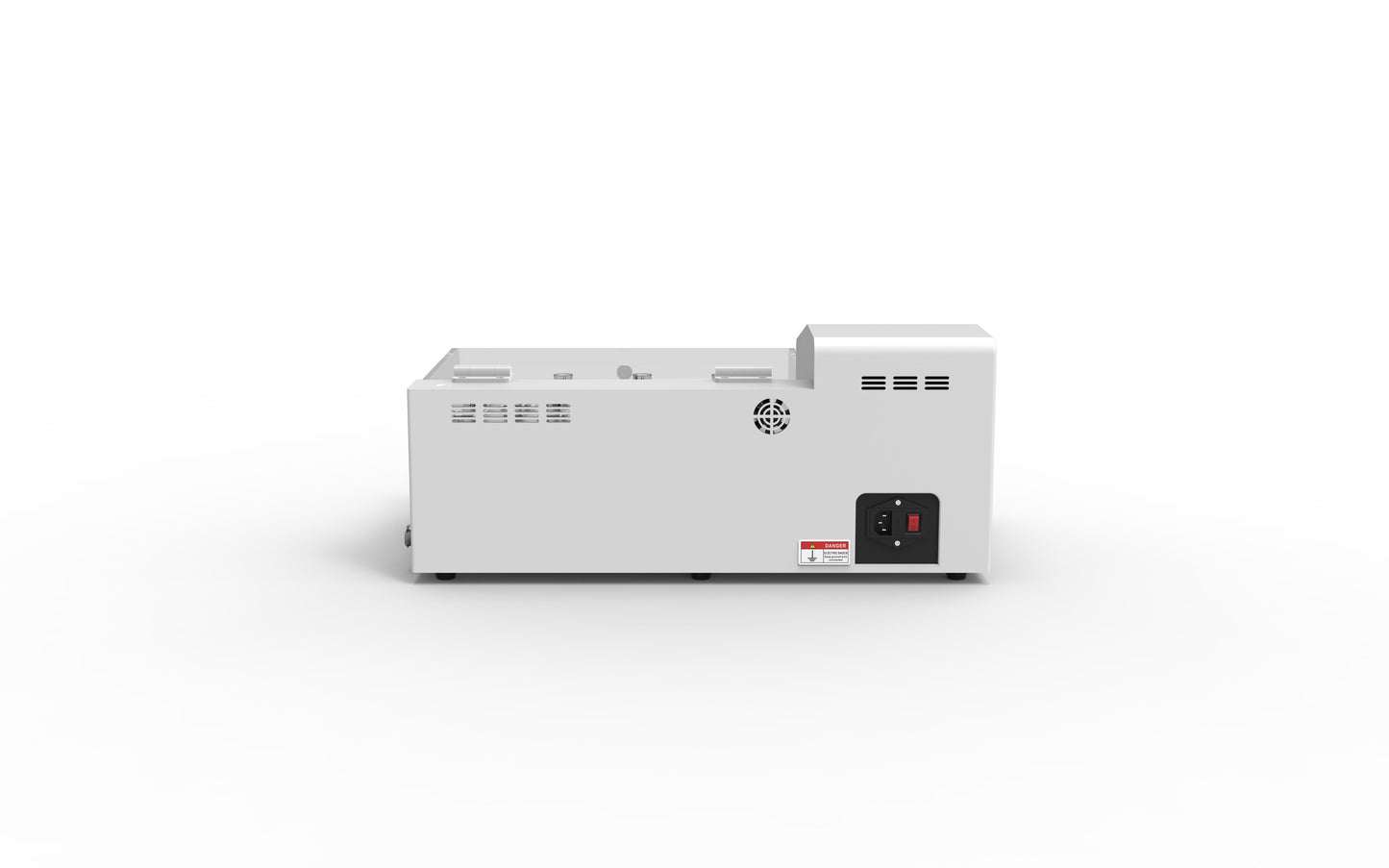
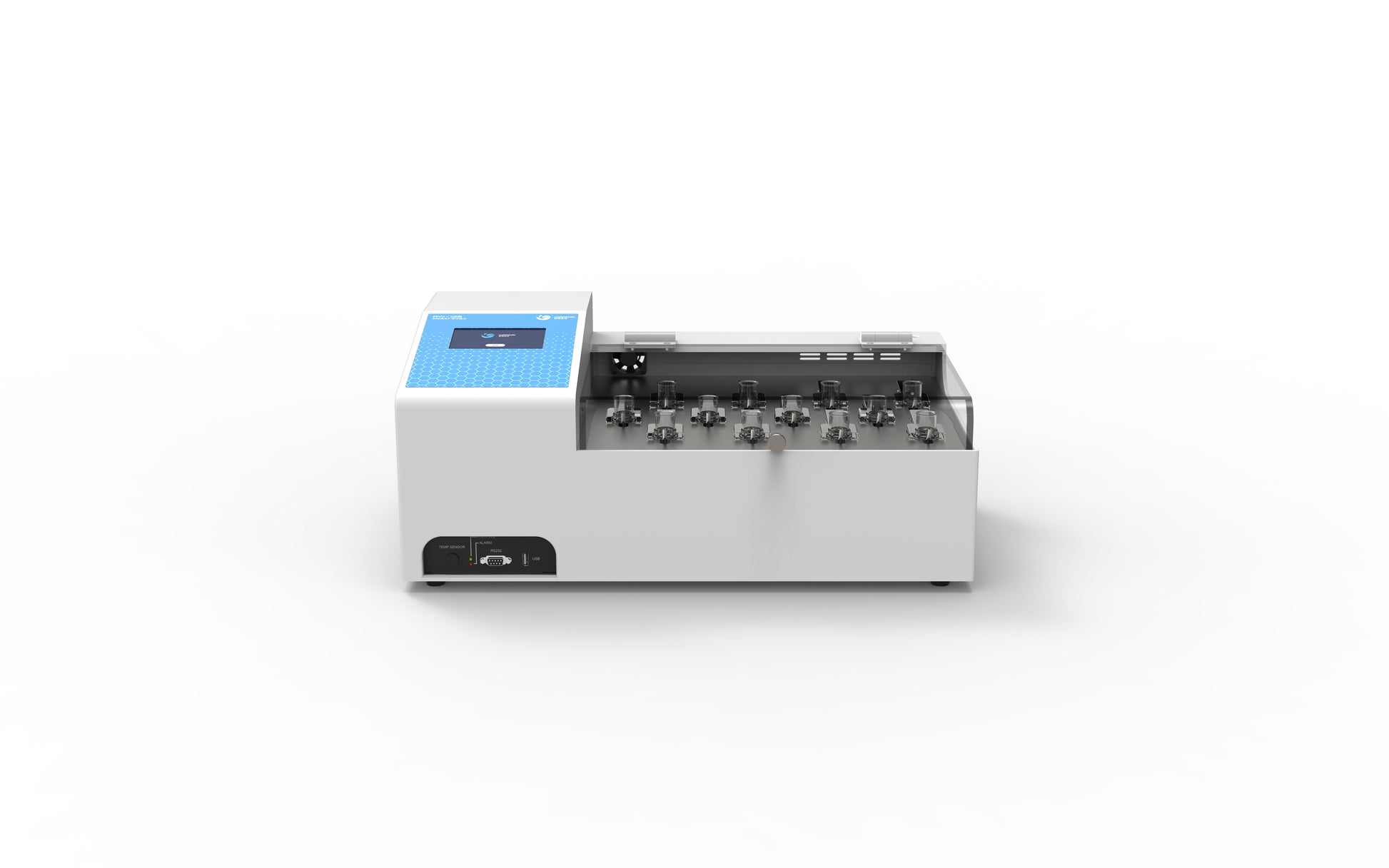
RYJ-12B Transdermal Diffusion Tester – In-Vitro Skin Absorption Testing Instrument
RYJ-12B Transdermal Diffusion Tester – In-Vitro Skin Absorption Testing Instrument
Distributor & agent pricing available on request. Equipping a full QC lab? Ask about multi-unit bundle pricing.
Sale Sold outPharmaceutical Transdermal Diffusion Instruments
RYJ-12B Pharmaceutical Transdermal Diffusion Tester
At a glance: RYJ-12B is a 12-cell transdermal diffusion tester from Huanghai Pharmaceutical Instruments (Shanghai, since 1978). It uses wet-type vertical (Franz-type) diffusion cells for in-vitro release and permeation testing of patches, semisolids and topical products, following USP <1724> vertical diffusion cell methods.
Verify our credentials: Certifications · Patent Portfolio
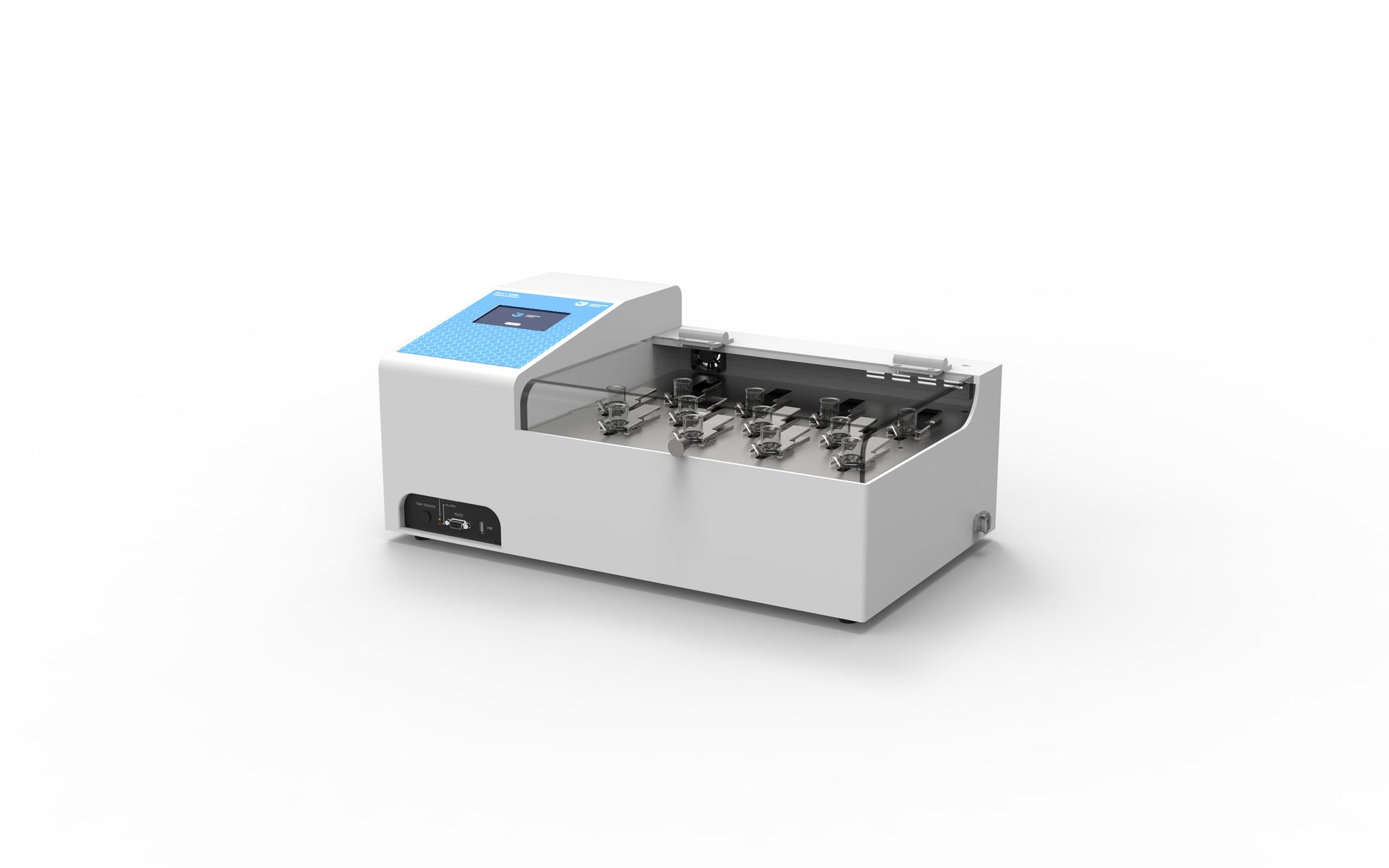
The RYJ-12B Transdermal Diffusion Tester is a specialized pharmaceutical testing instrument designed to perform in-vitro transdermal drug delivery testing.
Utilizing a precision-controlled system and Franz diffusion cells, this device simulates skin absorption of topical or transdermal drug formulations under laboratory conditions.
The RYJ-12B is widely used in pharmaceutical R&D, formulation screening, and bioequivalence studies, ensuring reproducibility and compliance with international research standards.
As a core part of our pharmaceutical testing instruments lineup, the RYJ-12B helps pharmaceutical scientists evaluate drug release profiles and optimize transdermal delivery systems.
Description
The RYJ-12B Pharmaceutical Transdermal Diffusion Tester is a collaborative product developed with the National Pharmaceutical Engineering Research Center (NPERC). It adopts an improved vertical Franz diffusion cell structure, where the film is clamped between the donor chamber lid (donor) and the receptor chamber (receptor). The inner surface of the film is immersed in a solution in the receptor chamber under conditions of constant temperature water bath circulation. With precise agitation, it ensures uniform distribution of the medium, simulating the drug’s transdermal penetration and release processes through biological membranes or artificial membranes.
Product Features
• Innovative Franz Cell Design: Features 12 independently improved vertical Franz diffusion cells.
• Magnetic Stirring Mechanism: Stable and uniform agitation ensures consistent dissolution concentration distribution.
• Precise Flow System: Proprietary design guarantees uniformity in the diffusion medium circulation.
• Temperature Insulation: Ensures stable minimum temperature deviation during tests.
• Comprehensive Data Export: Equipped with USB ports for exporting test records.
• User-Friendly Interface: Features a touch-screen interface supporting both English and Chinese operations for enhanced usability.
Technical Specifications
| Model | RYJ-12B |
| Product Code | 10110100 |
| Number of Diffusion Cells | 12 groups |
| Volume of Diffusion Cells | 8mL |
| Diffusion Area | Approx. 2.2cm² |
| Stirring Speed Range | 100–800RPM |
| Speed Stability Deviation | ≤±1% |
| Temperature Range | Room temperature to 45°C |
| Temperature Resolution | 0.1°C |
| Temperature Accuracy | ≤±0.3°C |
| Sample Collection Count | ≤15 times |
| Sample Collection Timing | ≤9999 minutes |
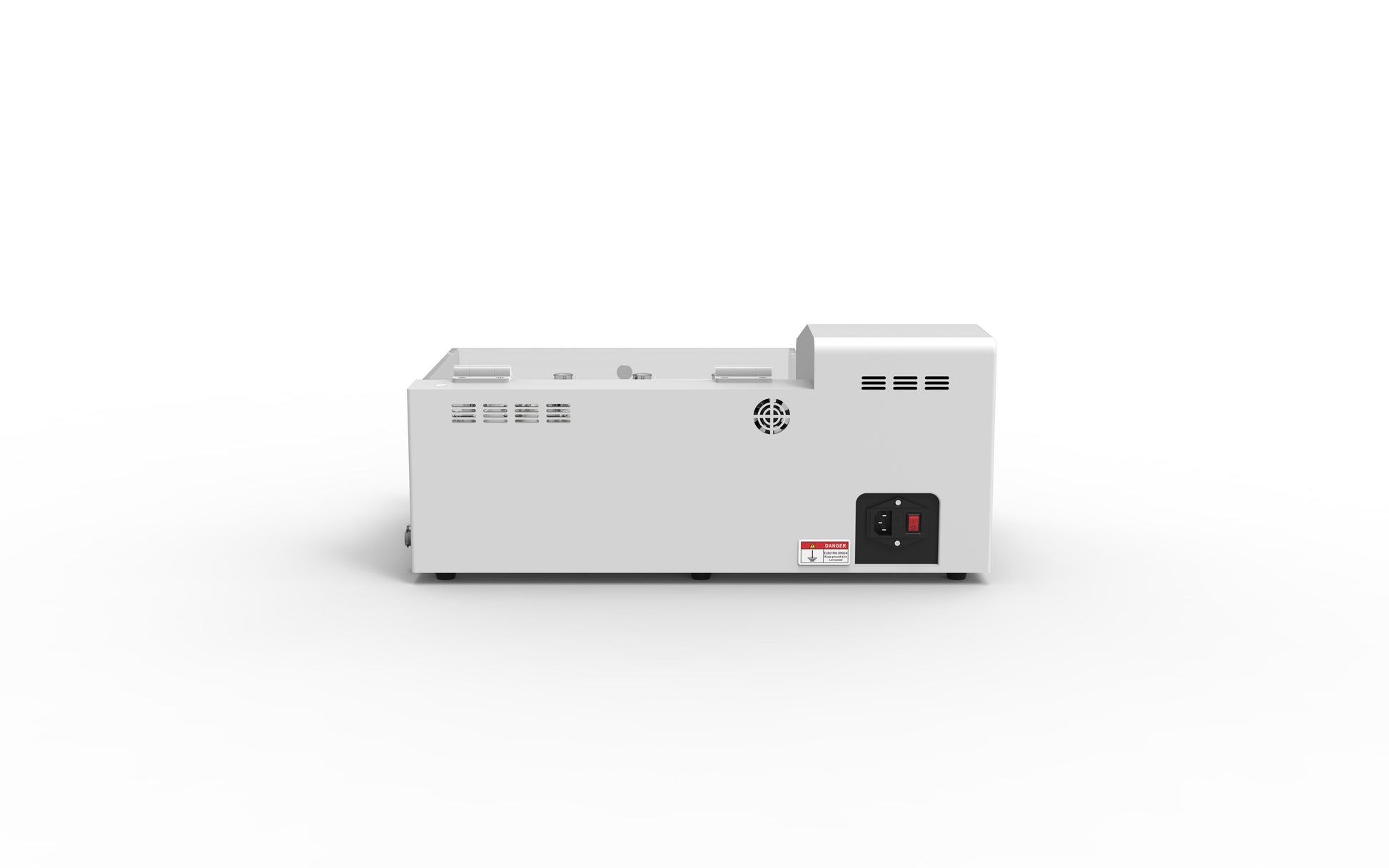
| Power Supply | AC220V±10%, 50Hz |
Data Integrity: Designed with features that support a 21 CFR Part 11 workflow — USB-based data export for traceable test records.
Frequently Asked Questions
What is the RYJ-12B used for?
In-vitro release and permeation testing of transdermal patches, creams, gels and other topical products, with 12 diffusion cells run in parallel.
What type of diffusion cell does it use?
Wet-type vertical diffusion cells (Franz-type), the apparatus described in USP <1724> for semisolid drug products.
Which standards apply?
USP <1724> vertical diffusion cell methods and ChP patch release testing.
Why run 12 cells?
Release and permeation studies need replicate cells per formulation; 12 cells let you compare test and reference products in one run.