Reply within 24 hours · speak with an engineer
Huanghai
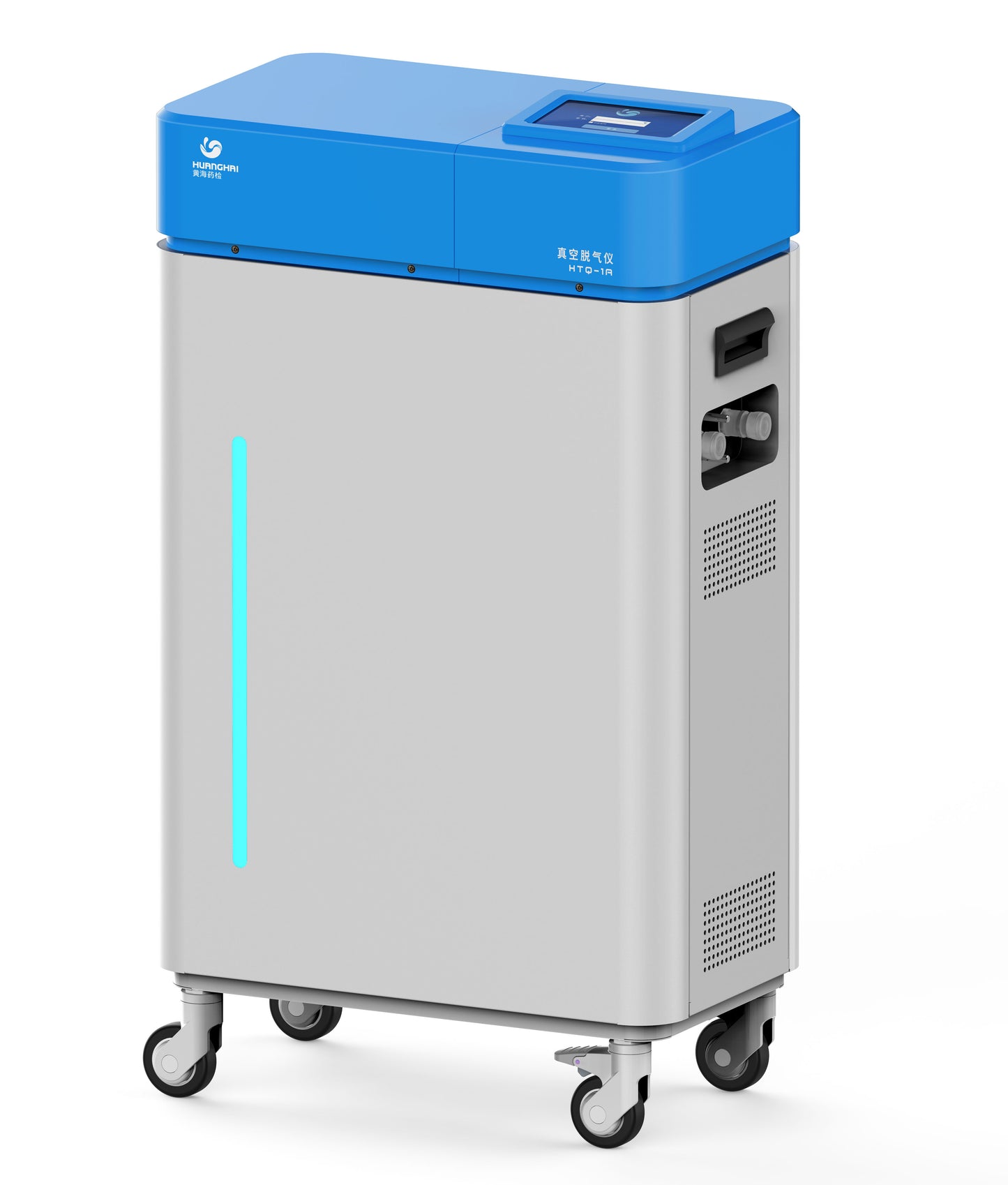
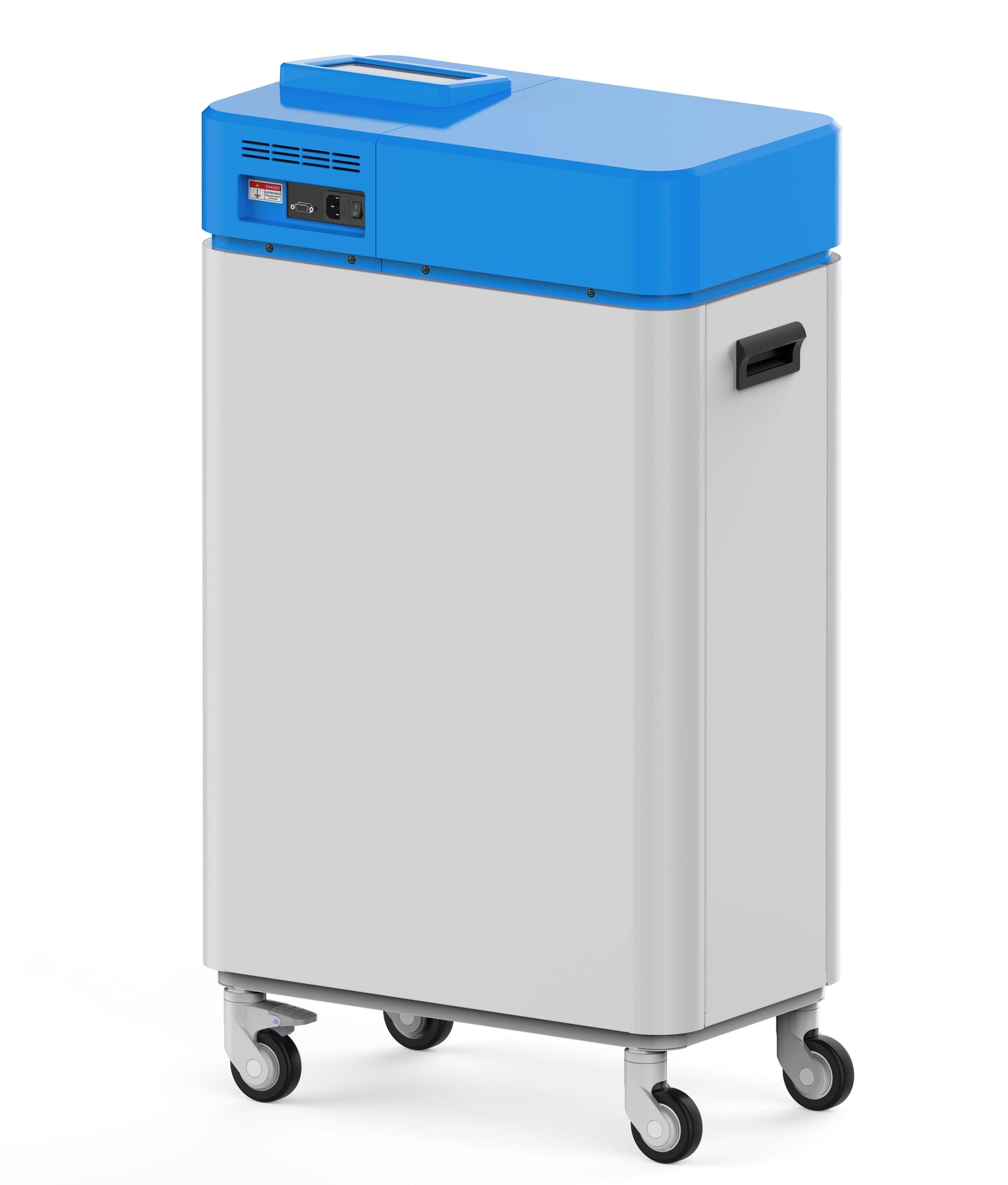
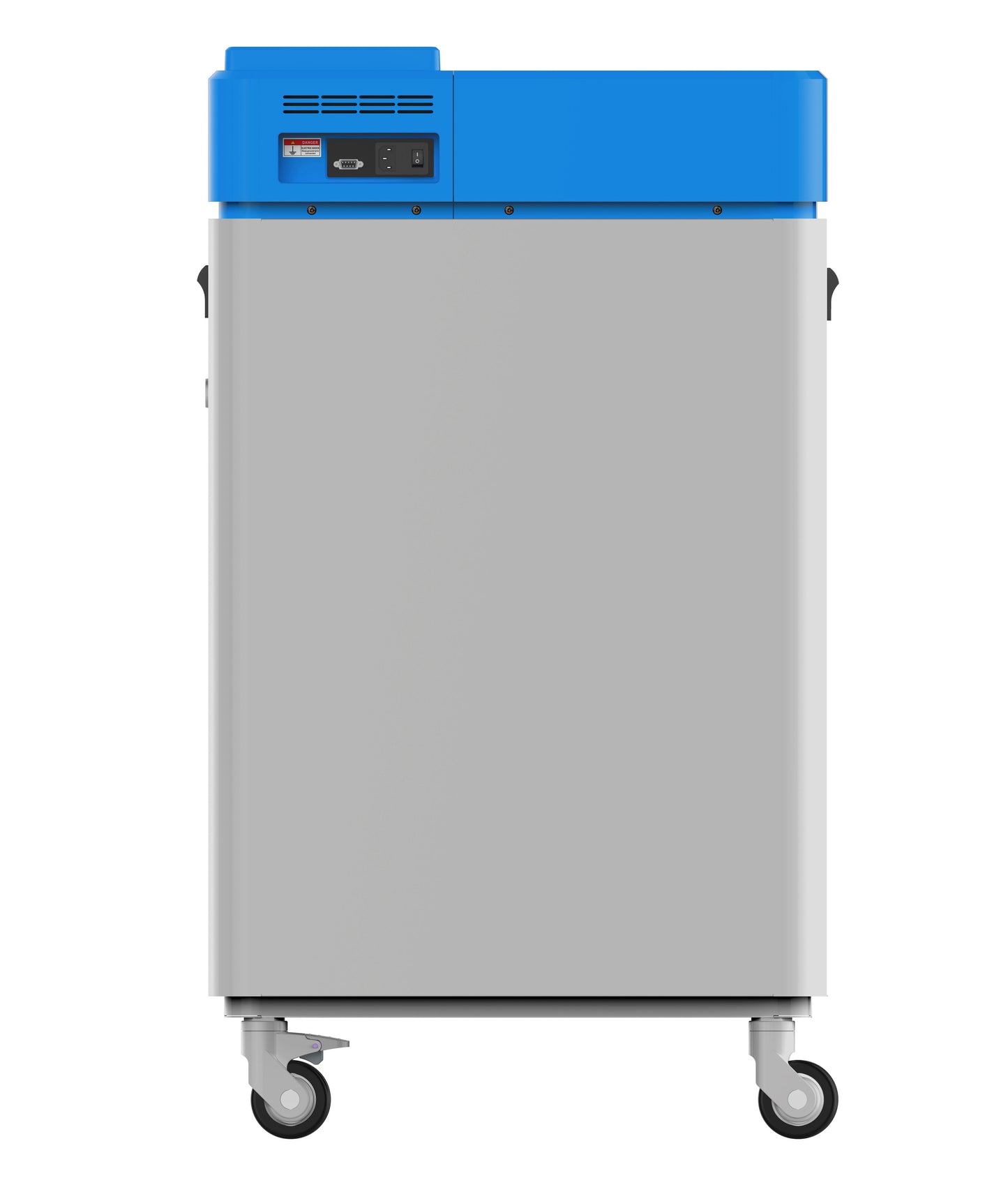
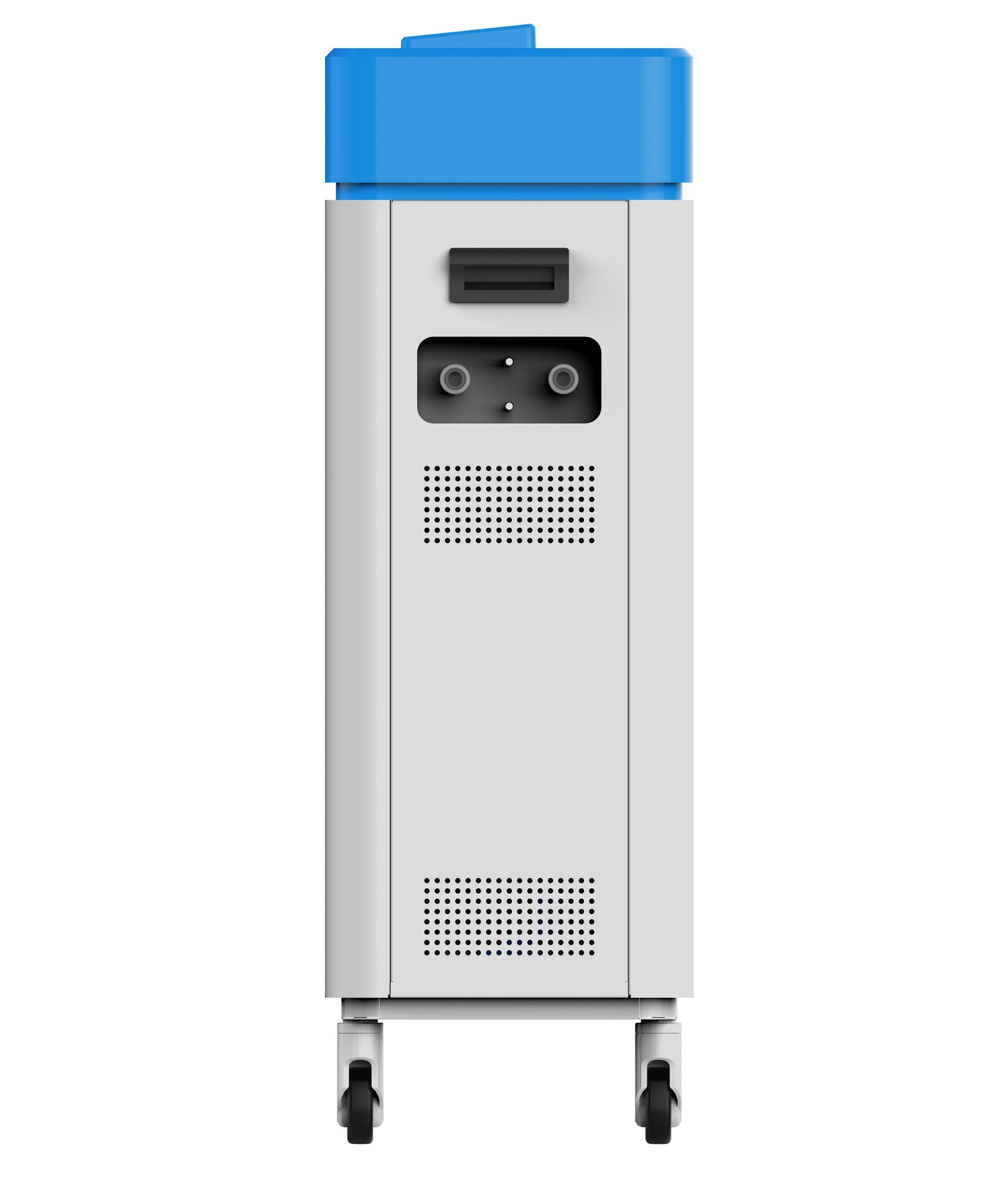
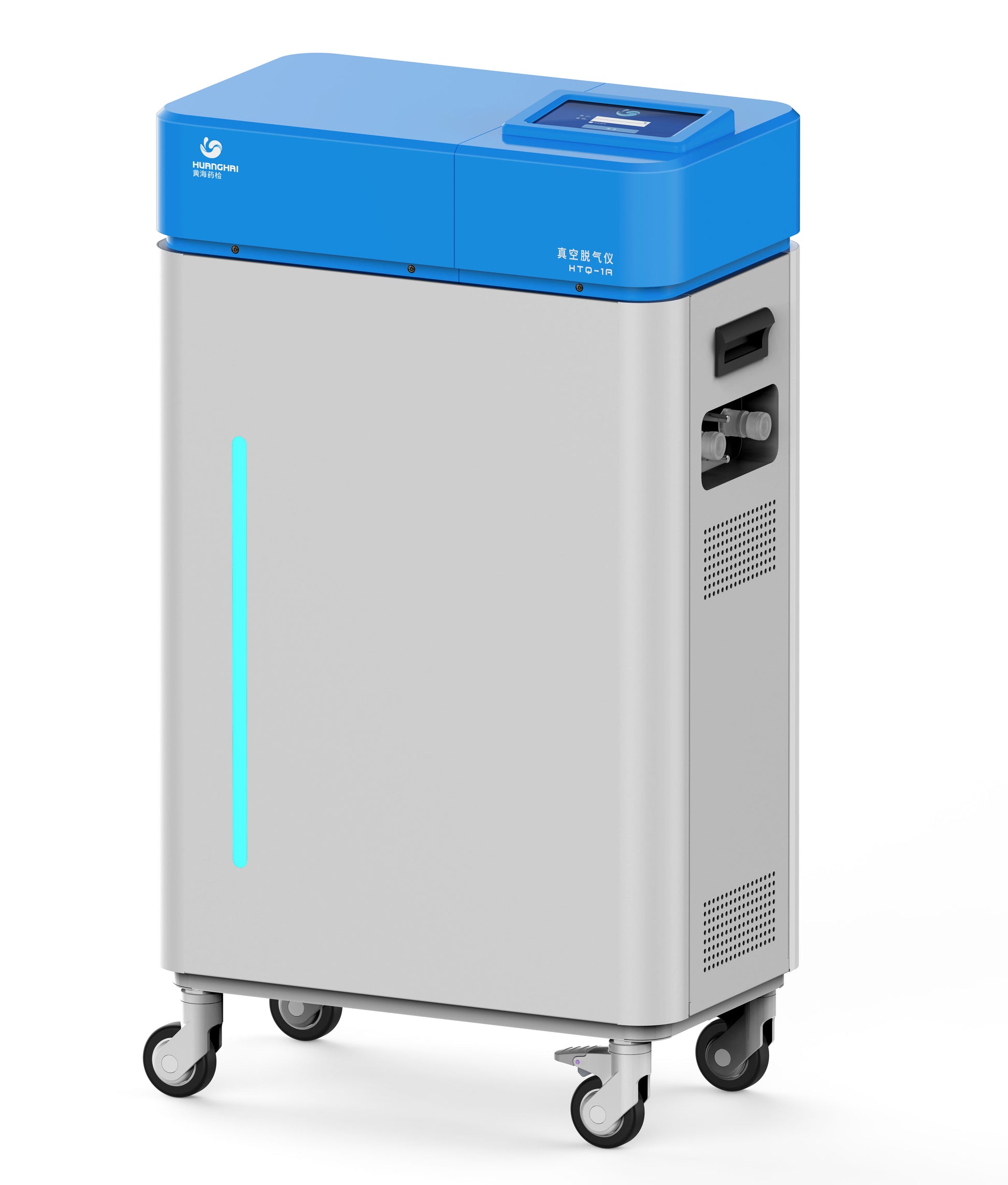
HTQ-1A Vacuum Degasser – Pharmaceutical Dissolution Medium Degassing System
HTQ-1A Vacuum Degasser – Pharmaceutical Dissolution Medium Degassing System
Distributor & agent pricing available on request. Equipping a full QC lab? Ask about multi-unit bundle pricing.
Sale Sold outVacuum Degasser
HTQ-1A Vacuum Degasser
The HTQ-1A Vacuum Degasser is a specialized pharmaceutical testing instrument used to efficiently remove air bubbles from dissolution media, ensuring reliable drug release analysis.
This vacuum degasser is designed for pharmaceutical labs conducting dissolution testing, helping enhance consistency and accuracy by reducing variability caused by air interference.
As part of our professional line of pharmaceutical testing instruments, the HTQ-1A supports high-precision testing environments and complies with industry standards for tablet analysis and pharmaceutical quality control.
Description
The HTQ-1A Vacuum Degasser is designed for solid dosage dissolution tests. It efficiently performs vacuum degassing for distilled water, deionized water, and purified water, ensuring excellent degassing results with low noise levels.
Product Features
1. Automated and Precise Operations
• Completes automated cycles for heating, vacuum degassing, and liquid drainage.
• Adjustable liquid volume settings for both input and output.
2. Enhanced Degassing Efficiency
• Efficient vacuum degassing to maintain desired preset conditions.
• Features ozone sterilization capability.
3. User-Friendly Interface
• Touch-screen interface for intuitive operation and real-time parameter display.
• Bilingual (Chinese and English) interface for versatile user needs.
4. Flexible Design
• Integrated tank cleaning functionality.
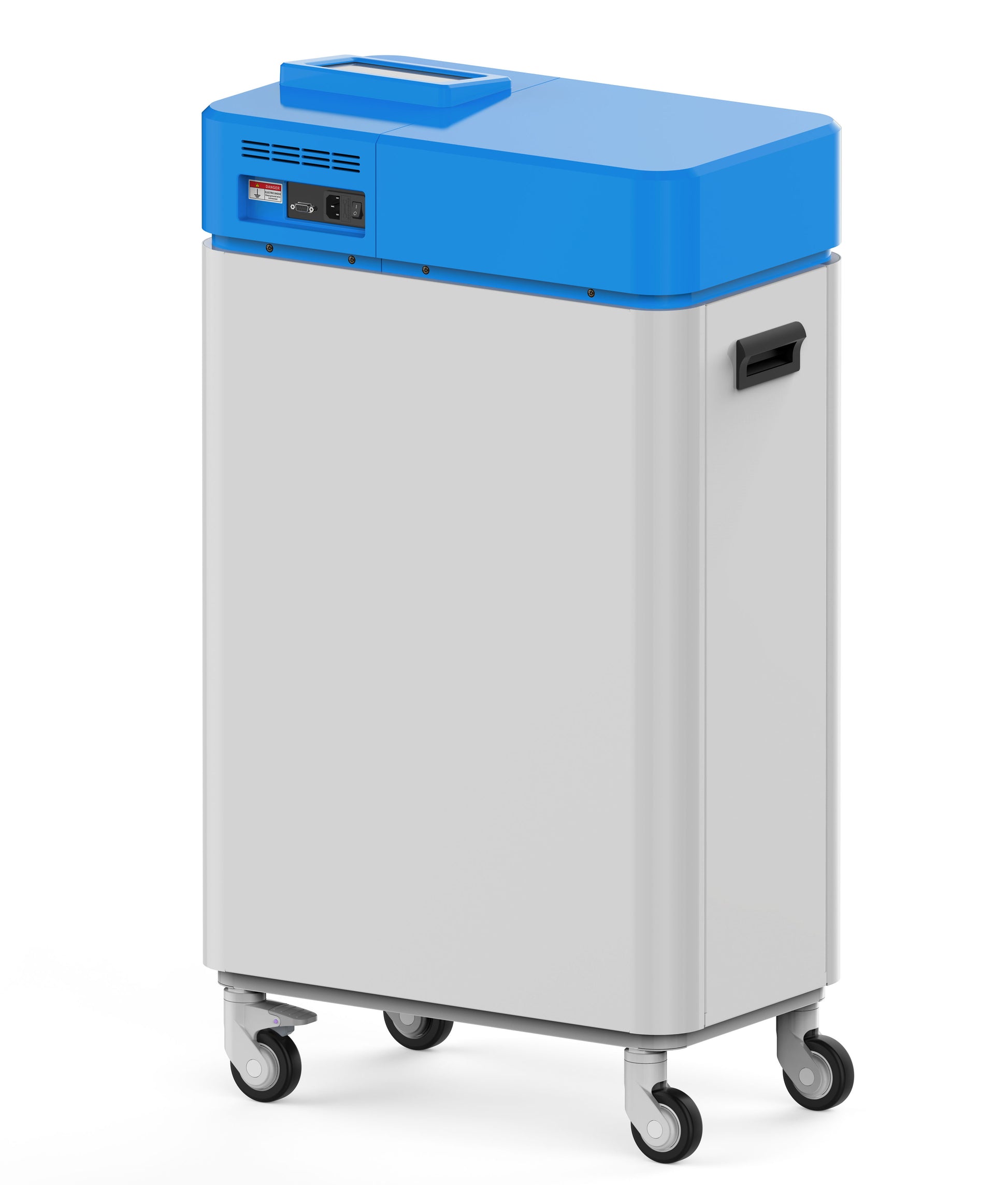
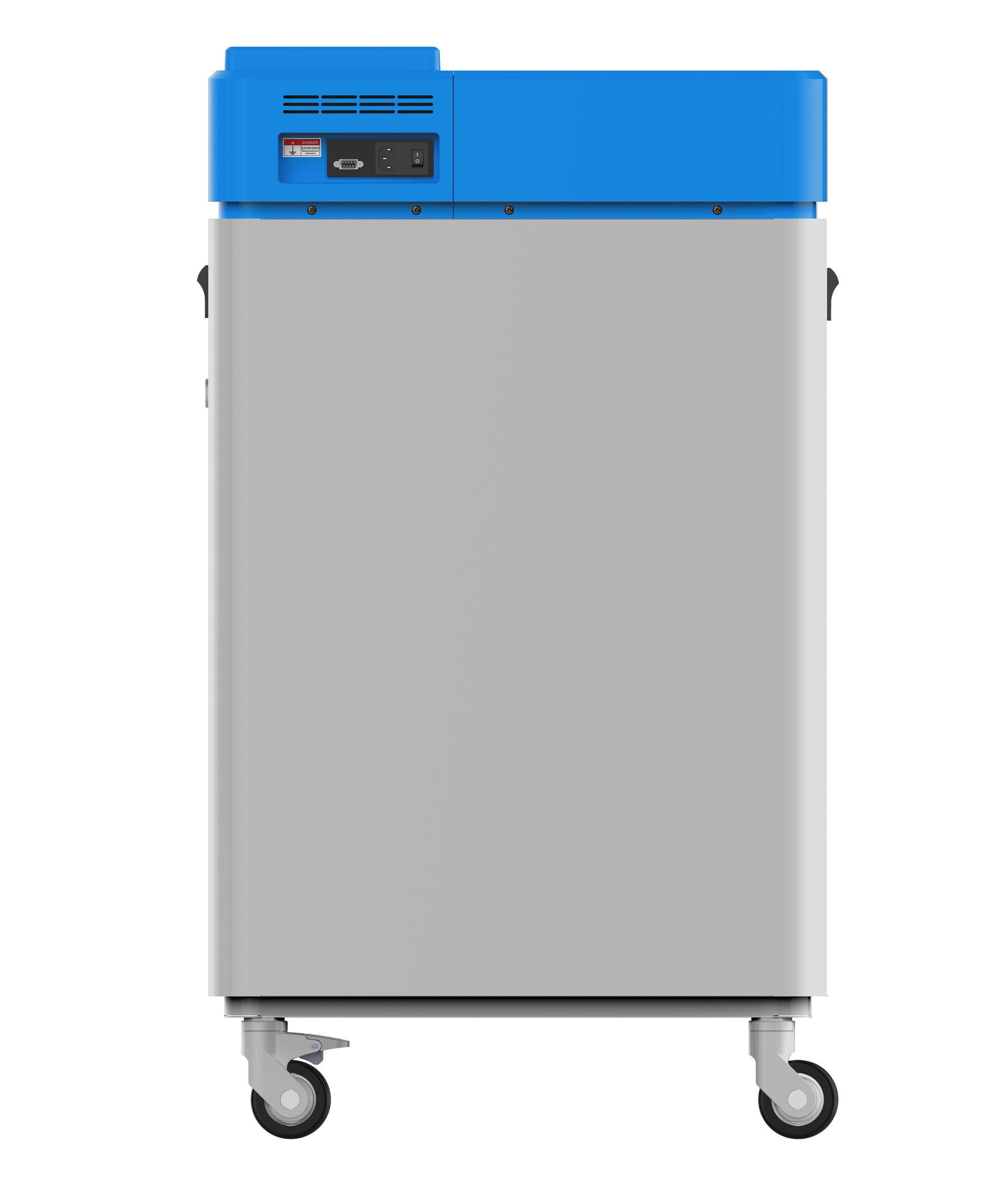
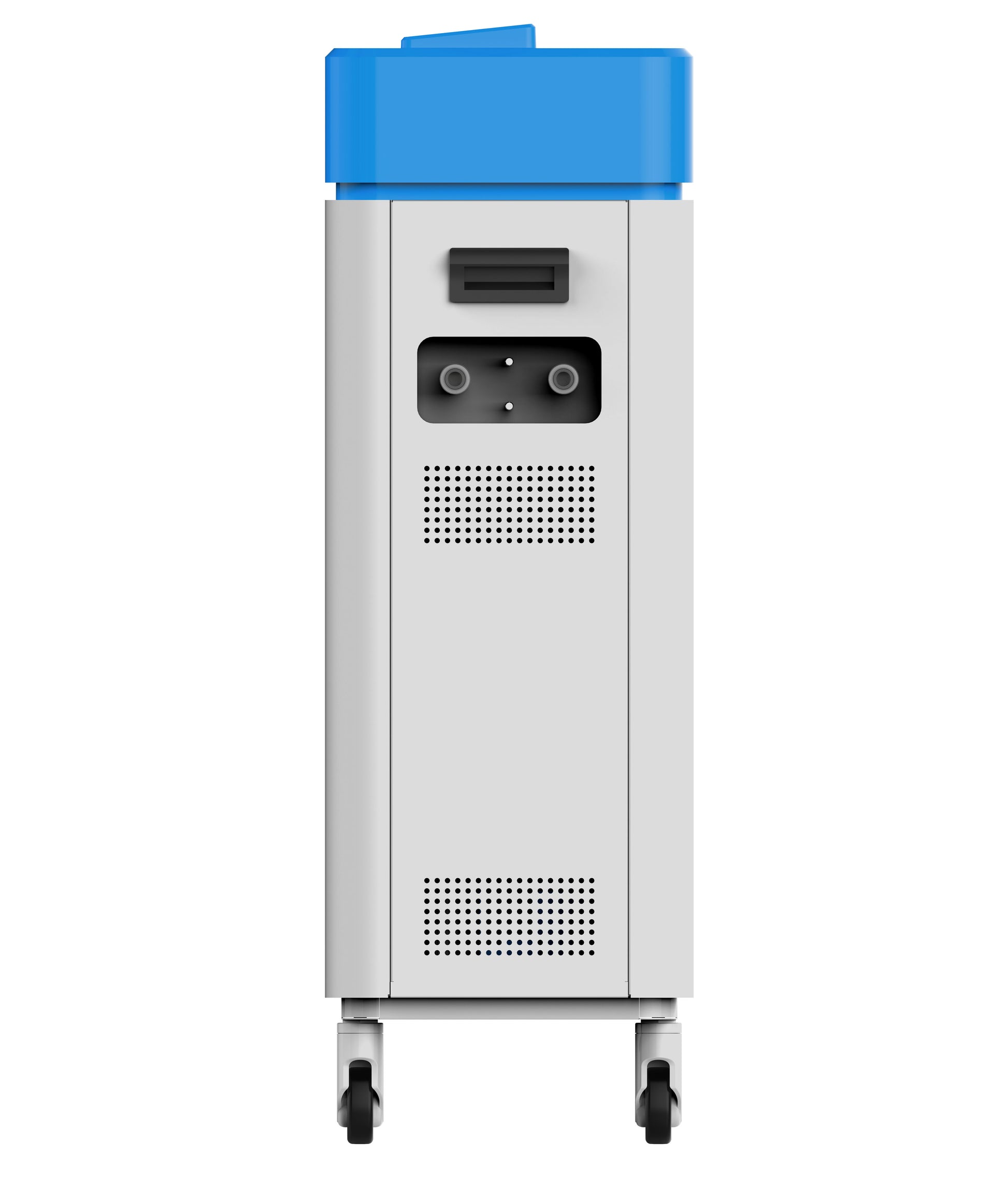
• Compact design with wheels for easy mobility.
5. Compliance and Certification
• Includes IQ/OQ certification documentation.
Product Specifications
Parameter Specification
Model HTQ-1A
Product Number 10112101
Tank Capacity 25L
Vacuum Pressure -0.080–0Mpa
Resolution 0.001Mpa
Control Precision ±0.01Mpa
Adjustment Range Room temperature to 45.0°C
Temperature Uniformity 0.1°C
Control Precision ±0.3°C
Power Supply AC220V±10%, 50Hz
Note: Our lab instruments support basic audit trails strictly per USP/ChP standards.
Frequently Asked Questions
Q: What pharmacopoeial standard governs dissolution testing?
A: Dissolution testing is governed by USP <711> (United States Pharmacopeia), ChP 0931 (Chinese Pharmacopoeia), and Ph.Eur. 2.9.3 (European Pharmacopoeia). All Huanghai RCZ-series dissolution testers are designed to comply with USP <711> paddle and basket methods, meeting the ±0.5 rpm speed tolerance and ±0.5°C temperature control requirements. For international market access, verify which pharmacopoeia your target regulatory body recognizes.
Q: How many dissolution channels do I need for a QC lab?
A: Channel selection depends on your batch size and testing throughput. A 6-channel tester (RCZ-6N) suits small-volume labs running one formulation at a time. An 8-channel tester (RCZ-8A) accommodates USP <711> 6-vessel runs with 2 spares. A 12-channel tester (RCZ-12A) is ideal for high-throughput labs running two products simultaneously. As a rule: choose at minimum 8 channels for routine QC; upgrade to 12 if you have more than 3 active products in QC testing. Contact us for pricing.
Q: What is the difference between syringe pump and peristaltic pump in automated sampling?
A: Syringe pumps (used in Huanghai RCZ-QY series) deliver precise, pulsation-free sample withdrawal—critical for viscous media or flow-sensitive APIs. Peristaltic pumps are lower cost but introduce pulsation artifacts that can affect UV absorbance readings in inline detection. For validated methods submitted to regulatory agencies, syringe-pump systems such as the RCZ-QY12 are preferred because they demonstrate superior reproducibility in audit-trail-backed data.
Q: How often should dissolution media be degassed before testing?
A: USP <711> recommends degassing dissolution media immediately before use to remove dissolved oxygen that can cause bubble formation on tablet surfaces—leading to false-low dissolution results. Best practice: degas each media batch within 30 minutes of testing. The HTQ-1A Vacuum Degasser processes up to 25 liters in a single cycle using vacuum + UV sterilization, eliminating microbial contamination risk. For labs running 8–12 channel testers, a dedicated degasser prevents throughput bottlenecks between runs.
Collapsible row
Collapsible row